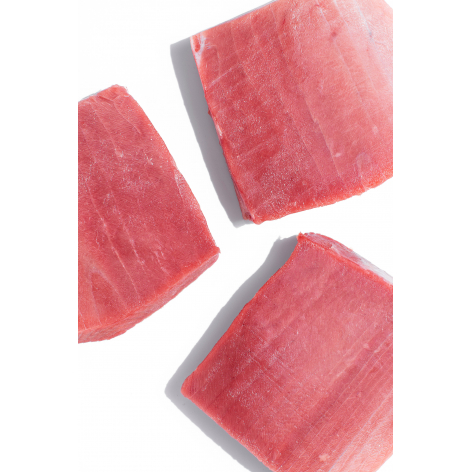
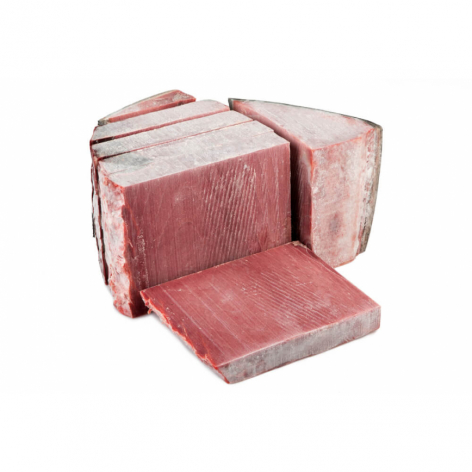
What is Bluefin Tuna Dark Loin (Lomo Negro) and Why is it a Chef Favorite?
If you wish to delve deeper into what bluefin tuna dark loin is, it refers to the upper musculature of the fish—specifically, the loins facing the dorsal side. Unlike belly like ventresca, this muscle stands out for its minimal, highly refined fat percentage, granting its meat an unmatched culinary delicacy.
At the heart of the dark loin lie highly sought-after sub-cuts such as descargamento or solomillo (tenderloin). Its compact, firm, and exceptionally clean texture makes it the premier raw ingredient for the world's best sushi restaurants, allowing for perfectly geometric knife cuts without tearing or losing structural integrity on the plate.
Nutritional Properties of Authentic Almadraba Akami
Choosing wild almadraba bluefin tuna dark loin is not only a gourmet choice, but also a cornerstone of a healthy diet. As the leanest of the specimen, it offers a very low calorie content combined with the highest percentage of high-biological-value proteins in the entire tuna.
Furthermore, this premium oily fish retains an excellent concentration of essential Omega-3 fatty acids, B-group vitamins (especially B12), and essential minerals like iron and selenium. It is a true superfood of the ocean that balances health with maximum gastronomic luxury.
Difference Between Dark Loin and Other Noble Cuts
To appreciate the value of almadraba dark loin, it is useful to compare it with the rest of the butchered cuts (ronqueo):
- Compared to White Loin (Lomo Blanco): The white loin is located on the underside (ventral section) of the animal and features slightly higher fat marbling. The dark loin is purer, leaner, and deeper red in color.
- Compared to Belly (Ventresca): The belly is the ultimate fatty and rich cut. The dark loin offers its culinary counterpart: firmness, clarity of flavor, and a crisp, elegant bite.
How to Cook and Enjoy Dark Loin at Home
Thanks to the clean anatomy of its meat, this product is the undisputed king of raw cuisine, though its hot-cooking versatility is equally astounding when cooking times are respected:
- Premium Sashimi and Sushi: Sliced transversely into half-centimeter pieces to appreciate the raw purity of the fish with a subtle touch of soy sauce.
- Cubes for Tartare or Poke Bowls: Being a compact block, it allows you to achieve firm, perfect cubes that hold citrus dressings and marinades exceptionally well.
- Gourmet Tataki: Searing over ultra-high heat for just a few seconds per side yields a delicious outer crust surrounding a spectacular, vibrant red raw core.
- Quick Sear (Vuelta y Vuelta): Briefly griddled or grilled while keeping the interior juicy, ensuring it retains its legendary tenderness.
Frequently Asked Questions
Which part of the tuna is the dark loin (lomo negro)?
The dark loin is the cut situated along the upper or dorsal section of the bluefin tuna. It is completely lean, compact, deep red meat that is highly prized in Japanese gastronomy, where it is known by the term Akami.
Is dark loin safe to eat raw for sushi?
Yes, it is 100% safe. All Gadira dark loin intended for raw consumption undergoes an industrial ultra-freezing process at -60 °C (-76 °F) immediately following the ronqueo. This process completely eliminates any risk of Anisakis without altering its firm texture, vibrant color, or original marine juices.
What is the difference between the tuna's dark loin (lomo negro) and white loin (lomo blanco)?
The main difference lies in location and fat percentage. The dark loin sits along the top (dorsal area) and contains the leanest, reddest meat. The white loin sits along the bottom (ventral area) near the belly, giving it slightly more marbling and fat infiltration.