The best bluefin tuna cuts for sushi, sashimi, and tartare
Not all parts of the tuna behave the same when consumed natural (raw). To prepare dishes inspired by Japanese or Mediterranean cuisine, clean muscles free of tendons, bones, or annoying fibers on the palate are required. The pieces selected in this category stand out for their delicacy, richness, and impeccable structural performance under the knife.
Whether you are an experienced sushi chef or looking to start in the art of cold dishes, here you can buy bluefin tuna for eating raw in haute cuisine's most sought-after formats:
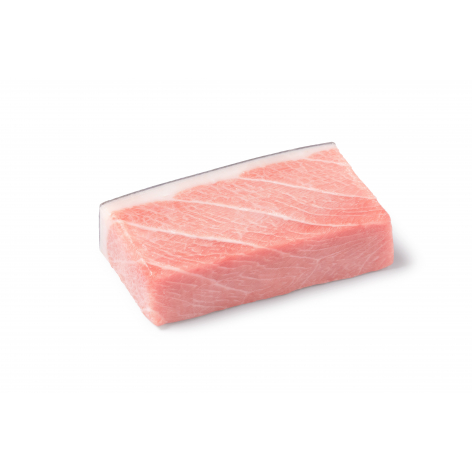
- Belly Sashimi (Otoro): The most luxurious and exclusive cut. Presented to be cut like a master, it offers a spectacular fat marbling that literally melts in your mouth.
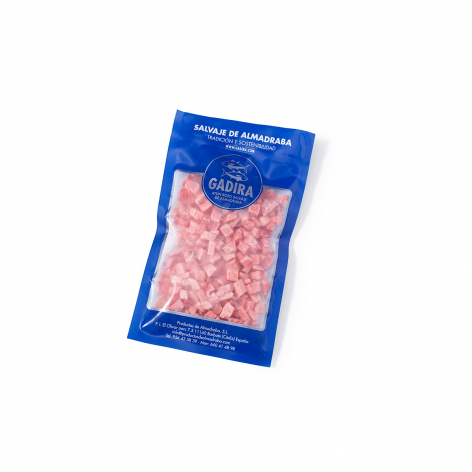
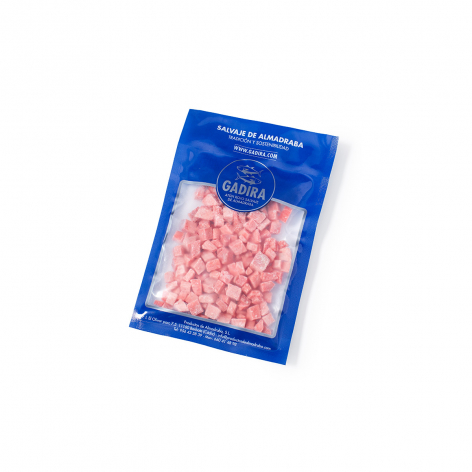
- Bluefin Tuna Tartare: The most convenient option if you are looking for speed. Top-quality meat hand-diced into clean, uniform cubes, ready to thaw and season to taste.
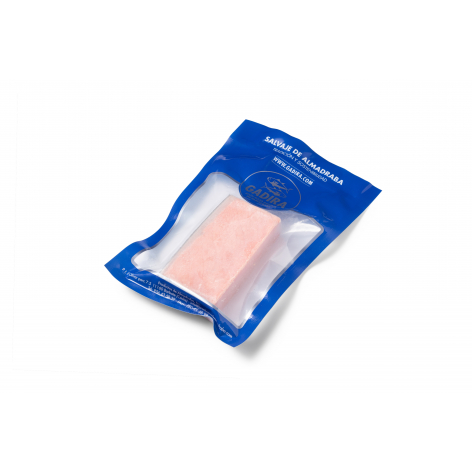
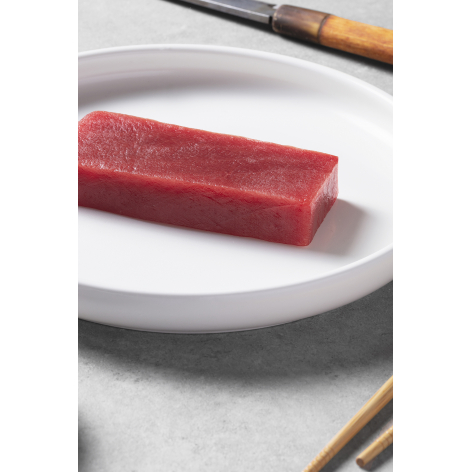
- Descargamento Loin Ingots: The great secret of sushi masters. An internal cut of the loin, completely lean, with a bright red color and firm texture, ideal for cutting your own nigiris or maki strips.
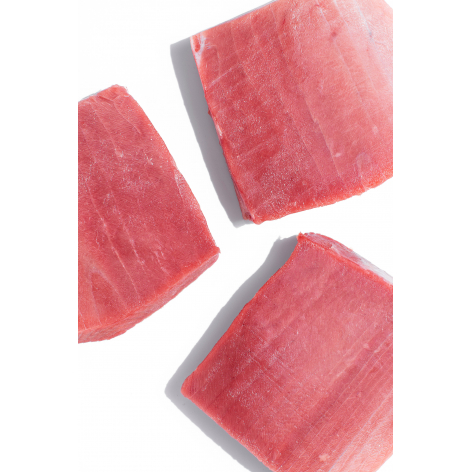
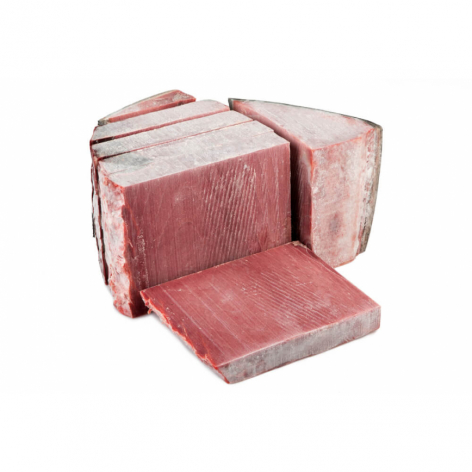
- Bluefin Tuna Loin Slabs: Irregular but highly versatile blocks. Their clean anatomy allows you to extract slices for carpaccio or firm cubes for other preparations.
Why choose our almadraba tuna for your raw dishes?
When consuming uncooked fish, excellence at the source makes the difference between an acceptable dish and a memorable experience. All of our bluefin tuna for sushi comes from the almadrabas along the Cádiz coast (Conil, Tarifa, and Zahara de los Atunes), selectively captured at its optimal migration moment.
The richness of Atlantic waters gives these wild specimens a muscular firmness and healthy fat marbling that is impossible to replicate in fish farm environments. The result is a compact, flavorful meat with excellent juice retention that holds up perfectly to citrus or soy dressings.
The value of ultra-freezing at -60 °C
Immediately after the traditional ronqueo (butchering process), the pieces intended for raw consumption are placed into extreme freezing tunnels at -60 °C (-76 °F). This technology organically pauses time. By not breaking the meat's cellular walls, the fish retains its vivid coloration, firm texture, and intact marine juices, presenting itself exactly as if it were freshly caught upon thawing in your refrigerator.
Ideas to enjoy bluefin tuna natural
Thanks to the variety of formats in our online store, the possibilities in cold cuisine are infinite. We suggest some of the star preparations where this product shines on its own:
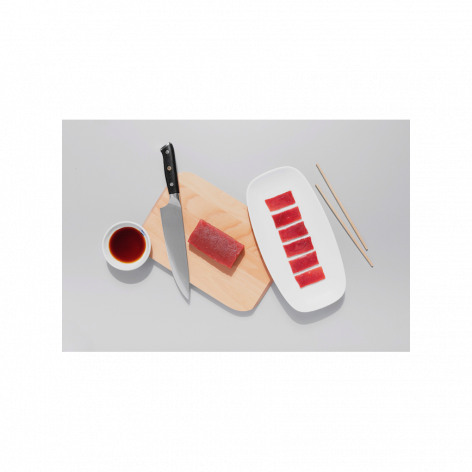
- Pure Sashimi: Enjoy fresh slices of loin or belly, subtly accompanied by a pinch of authentic wasabi.
- Nigiris and Makis: Use the clean ingots to top your bases of seasoned rice with rice vinegar.
- Tartare and Poke Bowls: Season the clean cubes with sesame oil, soy, chives, or avocado on a fresh base.
- Seafood Carpaccio: Cut paper-thin slices from the loin slabs and garnish them with a drizzle of extra virgin olive oil and sea salt flakes.
Which cuts of bluefin tuna are recommended for raw consumption?
The most valued cuts are the belly (ventresca, prized for its richness and marbled fat), the descargamento (the ultimate lean cut for sushi due to its absence of fibers), and the clean blocks of dark loin (lomo negro), ideal for their versatility and structural firmness.
Is it necessary to freeze this tuna at home to prevent Anisakis?
No, it is not necessary. All our bluefin tuna intended for raw consumption has already undergone an industrial ultra-freezing process at -60 °C (-76 °F) at Gadira's facilities. It well exceeds all current health regulations, making it 100% safe to consume directly after proper thawing in the refrigerator.
How should tuna be thawed for use in sushi or tartare?
The ideal method is to remove the vacuum packaging and place the piece on a rack inside a dish in the least cold section of the refrigerator for about 12–24 hours. This allows the fish to regain its temperature progressively, keeping its texture, color, and juiciness intact without becoming waterlogged.
Recommended Thawing Guide and Best Practices
To fully enjoy the original texture and maximum quality of this gourmet product, follow these simple steps before preparation:
- Slow Thawing: To enjoy the product's texture and quality, slow thawing in refrigeration is recommended.
- Move to the Fridge: Remove the piece from the freezer and keep it in the fridge.
- Drying/Trimming: Cut before it thaws completely.
- Hygiene and Freshness: For raw preparations, always use clean utensils and cut the product right before consumption.
What is the difference between almadraba tuna and farmed tuna for raw dishes?
Wild almadraba bluefin tuna features a much firmer and tighter musculature due to its free-ranging ocean life. In raw preparations like tartare or sushi, this prevents the fish from falling apart or becoming pasty when sliced or dressed with sauces, preserving firm cubes and a clean, elegant marine flavor.